G-PC7K8SE60K G-PC7K8SE60K
top of page
ceremonies-by-nicola-logo

Blogs

It's time to legalise Celebrant Wedding Ceremonies


There are moments when an industry has the opportunity to be part of genuine change.


Nicola West, Celebrant,                                      Outdoor Woodland Wedding
Nicola West, Celebrant, Outdoor Woodland Wedding

For those of us who work in weddings — and particularly those of us who are independent wedding celebrants — I believe this is one of those moments.


Wedding law in England and Wales is on the brink of its biggest transformation in almost 200 years, and the Government is currently consulting on proposals that could completely change where, how and, importantly, by whom couples can be legally married.

And I am incredibly excited about what this could mean.


Not simply for celebrants like me, but for the thousands of couples who get married every year and who want their wedding ceremony to truly reflect who they are.


So, what is actually happening?


In 2022, the Law Commission published its recommendations for a complete overhaul of weddings law in England and Wales. The current legal framework has its roots in legislation dating back to the 18th and 19th centuries and, quite simply, the way we marry has changed enormously since then. Families have changed. Society has changed. Weddings have changed. Yet much of the law surrounding them has not. The Law Commission recommended moving away from a system that largely regulates the building in which a legal wedding takes place towards one that regulates the officiant responsible for conducting it.


In October 2025, the Government confirmed its intention to reform weddings law, and in July 2026 the Ministry of Justice launched its consultation, Tying the Knot: Reforming Weddings Law in England and Wales.


The Government is now asking couples, celebrants, wedding professionals, venues, religious and belief organisations and members of the public for their views.

And there is one proposal in particular that could fundamentally change celebrant-led weddings: allowing appropriately authorised independent celebrants to conduct legally binding marriages. For me, this is huge.


You see as an independent wedding celebrant, I have the enormous privilege of standing alongside couples on one of the most important days of their lives.


I get to know them. I hear about how they met, the adventures they have shared, the people they love, the challenges they have overcome and the dreams they have for their future.

Together, we create a ceremony that feels unmistakably theirs.


It can include their love story, personal vows, music, readings, family traditions, cultural, religous or spiritual elements, symbolic rituals and lots of love, plenty of laughter and on occasion tears of joy.

Nicola West, Celebrant, Hand Tying Wedding Ritual

No two ceremonies I conduct are ever the same, because no two couples are the same.

And yet, despite being trusted to create and lead that incredibly important ceremony, as an independent celebrant I currently cannot legally marry the couple standing in front of me.


They must complete the legal requirements separately through the Registrar.

While this works, and celebrant ceremonies have flourished under the current system. It can be extremely frustrating and add additional costs and stress to a couples budget and plans.


But imagine being able to give couples another choice, imagine the ceremony they have poured their hearts into also being the moment in which they become legally married.

That is the opportunity wedding law reform could create.


This isn't about replacing registrars


I think this point is incredibly important. Wedding law reform should not be about taking anything away from registrars, religious leaders or any of the wonderful people who currently conduct legal marriages, it should be about adding choice. Some couples will always want a traditional register office ceremony. Some will choose a registrar-led ceremony at a licensed venue. Some will marry in church or through another faith tradition. Some will choose a Humanist ceremony. And some will want an independent celebrant. The beauty of reform is that potentially all of those choices could sit alongside one another. Because surely the question should not be: "Which type of wedding should everyone have?"


It should be:

"How can we create a safe, dignified and legally robust system that gives every couple the opportunity to choose the ceremony that is right for them?"


Imagine the possibilities

One of the things I find most exciting about the proposals is the move away from focusing so heavily on licensed buildings. Under the reforms being considered, couples could potentially have far greater freedom over where their legal wedding takes place.
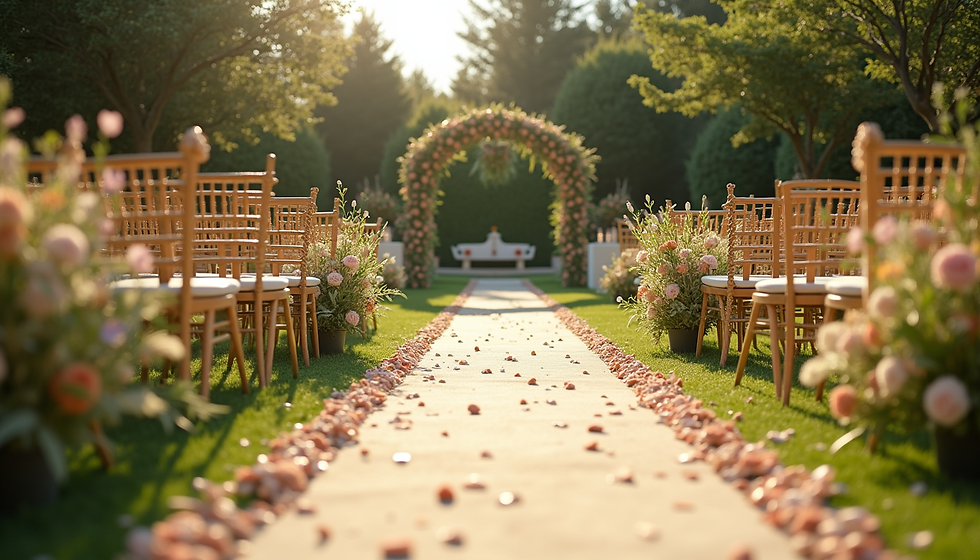
A beautiful garden celebrant led ceremony space

  • A beautiful woodland.

  • A beach.

  • A family garden.

  • A village hall transformed for the occasion.

  • A place that has genuine meaning to the couple.


The Government's proposals specifically consider greater flexibility over wedding locations, while maintaining standards around the dignity and significance of marriage.

For couples, that could mean more creativity, greater choice and, potentially, more affordable options too.


For venues and the wider wedding industry, it could open the doors to completely new possibilities.


With greater freedom must come responsibility


As an independent celebrant, I also strongly believe that legal recognition must come with appropriate standards. Conducting a legally binding marriage is a responsibility and a privilege. when independent celebrants are eventually authorised to conduct legal weddings, couples must be able to trust that the person standing in front of them is properly trained, understands their legal responsibilities and works to clear professional and ethical standards.


The Government consultation is therefore looking not only at whether independent celebrants should be able to conduct legal marriages, but also at how officiants should be authorised, trained, monitored and held accountable. I welcome that.


Legal recognition of independent celebrants should not simply be about giving us additional powers.


It should be about creating a professional framework that protects couples, protects the institution of marriage and gives the public confidence in those authorised to conduct it.


But nothing has been decided yet


This is perhaps the most important part...... Although the Government's preferred option currently includes independent officiants being able to conduct legally binding weddings, the final shape of the reforms has not yet been decided. The public consultation is open until 24 September 2026. Which means that right now, our voices matter. Not just the voices of celebrants.


  • Couples.

  • Wedding venues.

  • Photographers.

  • Planners.

  • Florists.

  • Wedding suppliers.

  • Friends and families.

  • And anyone who believes couples should have greater choice over how they marry.


So how can you help?


1. Respond to the Government consultation


This is the single most important thing you can do.

You do not need to be a celebrant or wedding professional to respond. The consultation is open to members of the public, and the Government specifically wants to hear from people with an interest in weddings law.

If you believe couples should have the choice to be legally married by an appropriately trained and authorised independent celebrant, say so.

If you believe couples should have greater freedom over where they marry, say so.

If you believe our wedding laws should reflect modern relationships, families, beliefs and celebrations, say so.


Please don't assume that somebody else will respond.


2. Write to your MP


Tell your MP why wedding law reform matters to you and ask them to support meaningful reform that includes independent celebrants.

If you are a couple who has had, or is planning, a celebrant-led wedding, tell them about your experience.

If you are a wedding professional, explain what you see happening every week.

And if you are an independent celebrant, tell them about the couples you work with and why having the option of legal recognition would make a difference.

Personal stories are powerful.


3. Share the consultation


One of the biggest challenges with consultations like this is simply making people aware that they are happening.


  • Share it on social media.

  • Send it to couples.

  • Talk about it in wedding groups.

  • Tell other suppliers.

  • Mention it at networking events.

  • Share blogs like this one.


The more people who understand what is being proposed,

the more representative the response can be.


4. Support the campaign for couples' choice


The Give Couples Choice Movement is campaigning specifically for independent celebrants to be included within wedding law reform and has resources available for celebrants, wedding professionals and couples who want to support the campaign.

This isn't simply about creating opportunities for celebrants.

It is about giving couples choice.

And that distinction really matters.


So what could the future look like?


Perhaps one day, I will stand in front of a couple surrounded by everyone they love.

I will tell their story, we will laugh, there may well be a few tears.

They will make their promises. they will exchange their rings.

And when I finally say: "It is my absolute honour and privilege to pronounce you married..."

those words won't only be ceremonial.


They will be legal too.

As someone who has spent years creating and conducting deeply personal wedding ceremonies, that would be incredibly special. But even more importantly, it would mean that couples had been trusted to make a choice.

A choice about where they marry.

A choice about how they marry.

And a choice about who they trust to stand beside them and conduct one of the most important ceremonies of their lives.


Wedding law reform has the potential to make weddings in England and Wales more inclusive, more flexible, more accessible and more reflective of the people actually getting married, and we have an opportunity to help shape what happens next.

So if you believe in giving couples genuine choice,


Please don't just watch this conversation from the sidelines.


Read the proposals, respond to the consultation before 24 September 2026,


Because changing a law that has existed in one form or another for almost two centuries won't happen quietly, it will happen because enough people stand up and say:


It's time to give couples choice.


With Love Nicola x


Nicola West, Wedding Celebrant

Nicola West is a multi award winning Celebrant recognised for her beautifully crafted wedding ceremonies. Most recently named wedding Celebrant of the year for 2026 in a stunning award ceremony held at the Dorchester Hotel in London.


Nicola is the trusted go to Celebrant for many of the best wedding venues across London, Essex, Buckinghamshire Oxfordshire and Northamptonshire.


Including venues such as Kew Gardens, the Browns Hotel Mayfair, One Marlebone, the Cadogan Hotel, Chelsea, the Marriott County Hall, Stowe House, le Manoir, Hedsor House, Horwood House, Gosfield Park, Rushton Hall to name just a few


With 25 years experience in the wedding industry, Nicola has been creating ceremony to remember both as a former award-winning wedding planner and now an award winning wedding Celebrant.


Planning a wedding or any significant life ceremony can feel overwhelming, right? There are so many details to consider, and one of the most important decisions you’ll make is choosing who will guide you through the ceremony itself. That’s where a wedding celebrant comes in. But what exactly does a wedding celebrant do? How do they differ from other officiants? And why might you want to choose one for your special day? Let’s dive into the wedding celebrant role and explore everything you need to know.


What Is the Wedding Celebrant Role?


When you think about a wedding, you probably picture the vows, the rings, and that magical moment when two people become partners for life. The person who helps make that moment happen is often a wedding celebrant. Their role is to create and conduct a ceremony that reflects your unique story, values, and personalities.


Unlike traditional religious officiants, a wedding celebrant offers a personalised, flexible approach. They work closely with you to design a ceremony that feels authentic and meaningful. Whether you want something formal, casual, quirky, or deeply spiritual, a celebrant can tailor the event to suit your vision.


Here’s what a wedding celebrant typically does:


  • Consults with you to understand your story, preferences, and any special requests.

  • Writes a bespoke ceremony script that includes your vows, readings, and any rituals you want.

  • Guides you through the legal requirements (if applicable).

  • Leads the ceremony on the day, ensuring everything flows smoothly.

  • Offers support and advice throughout the planning process.


This role is all about connection and creativity. It’s about making sure your ceremony feels like you.


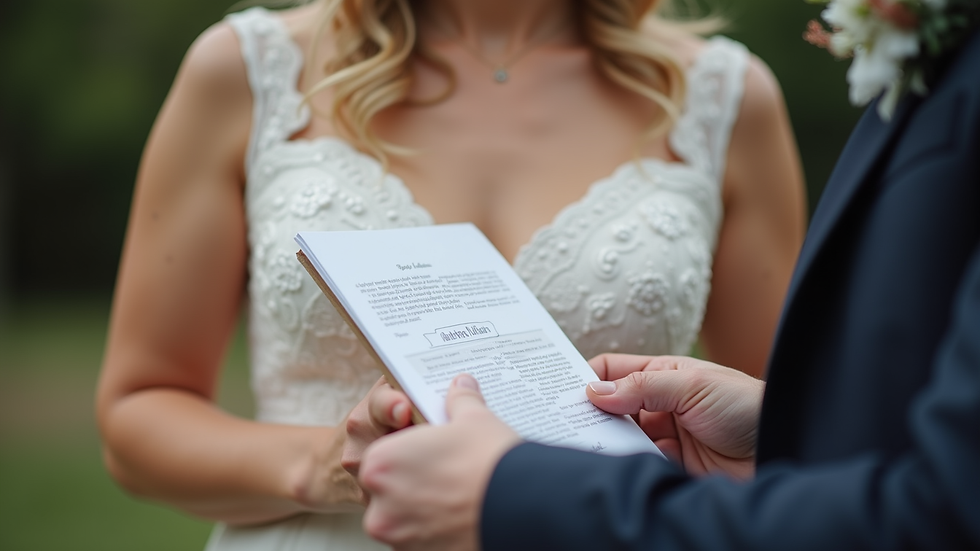
Eye-level view of a wedding celebrant reading from a script at an outdoor ceremony

Why the Wedding Celebrant Role Is So Important


You might wonder, “Why not just have a friend or family member do the ceremony?” Well, while that’s a lovely idea, a professional wedding celebrant brings experience and expertise that can make a huge difference.


First, they know how to craft a ceremony that flows naturally and keeps guests engaged. They’re skilled at balancing emotion, humour, and tradition in a way that feels genuine. Plus, they handle the logistics and legalities, so you don’t have to worry about missing anything important.


Secondly, a celebrant is a storyteller. They help you share your journey as a couple in a way that resonates with everyone present. This personal touch often makes the ceremony more memorable and heartfelt.


Finally, having a celebrant means you get a ceremony that’s truly yours. No cookie-cutter scripts or rigid formats. Just a beautiful, bespoke experience that celebrates your love and commitment.


Does a Celebrant Legally Marry You?


This is a question I get asked a lot. The answer depends on where you live and the type of ceremony you want.


In many places, a wedding celebrant can legally marry you, provided they are authorised by the relevant government body. This means they can sign your marriage licence and make your union official in the eyes of the law.


However, some couples choose to have a legal civil ceremony separately and then have a celebrant-led ceremony for the personal, symbolic part. This is common when couples want a more creative or spiritual ceremony that doesn’t fit the legal format.


If you’re considering a celebrant, it’s important to check the legal requirements in your area. Your celebrant will usually help you navigate this, so you don’t miss a step.


How to Choose the Right Wedding Celebrant for You


Finding the perfect celebrant is like finding the perfect pair of shoes - it has to fit just right! Here are some tips to help you choose someone who will make your day unforgettable:


  1. Look for experience and style - Watch videos or attend ceremonies they’ve conducted to see if their style matches your vibe.

  2. Read reviews and testimonials - Hearing from other couples can give you insight into their professionalism and warmth.

  3. Meet them in person or virtually - Chemistry matters! You want to feel comfortable sharing your story and ideas.

  4. Ask about their process - How do they personalise ceremonies? What support do they offer?

  5. Discuss fees and packages - Make sure their services fit your budget without surprises.


Remember, this person will be a key part of your day, so take your time to find someone who truly understands and respects your vision.


Close-up view of a wedding celebrant’s hands holding a personalised ceremony script

Making Your Ceremony Truly Personal


One of the best things about working with a wedding celebrant is the chance to create a ceremony that’s uniquely yours. Here are some ideas to make your ceremony stand out:


  • Write your own vows - Speak from the heart and share promises that mean something special to you.

  • Include meaningful readings or poems - Choose words that reflect your journey or values.

  • Add rituals or symbols - Lighting a unity candle, planting a tree, or blending sand can add a beautiful touch.

  • Involve loved ones - Ask family or friends to do readings or music.

  • Choose a special location - Whether it’s a beach, garden, or historic building, the setting can enhance the mood.


Your celebrant will help weave these elements together so the ceremony feels seamless and heartfelt.


What to Expect on the Wedding Day


On the big day, your celebrant will arrive early to prepare and coordinate with other vendors. They’ll make sure everyone knows their role and that the ceremony space is set up just right.


During the ceremony, they’ll guide you and your guests through each part, keeping things calm and joyful. If nerves kick in, they’ll be your steady presence, helping you focus on the moment.


After the ceremony, they’ll handle signing the legal documents if needed and often stay for a few moments to congratulate you and your guests.


Having a professional celebrant means you can relax and enjoy your day, knowing everything is in safe hands.


Why Choose Ceremonies By Nicola West?


If you’re looking for someone who truly understands the importance of your ceremony, I’d love to introduce you to Ceremonies By Nicola West. Nicola specialises in creating deeply personal and unforgettable life ceremonies. She listens carefully, crafts bespoke experiences, and supports you every step of the way.


Whether you’re planning a wedding, vow renewal, commitment ceremony, or even a funeral, Nicola’s warm and approachable style makes the process feel easy and meaningful. She’s passionate about helping people celebrate life’s significant moments in a way that feels just right.


If you want a ceremony that’s more than just words - one that touches hearts and creates lasting memories - a wedding celebrant like Nicola could be exactly what you need.


I hope this gives you a clearer picture of the wedding celebrant role and how it can transform your ceremony into something truly special. Remember, your ceremony is a celebration of your unique story - and with the right celebrant, it will be a day you and your loved ones will cherish forever. So, why not start exploring your options today? Your perfect ceremony awaits!


Losing a loved one is never easy. Families often face difficult decisions about how to honour their memory. Direct funerals, which involve immediate disposition without a traditional service, have become more common for various reasons, including simplicity, cost, or personal preference. Yet, many still want to create meaningful ways to remember and celebrate the life of the deceased. This post explores how families and friends can design heartfelt memorials and celebrations of life after a direct funeral, offering comfort and connection during a challenging time.


Eye-level view of a peaceful outdoor memorial setup with flowers and candles
Ceremonies by Nicola Outdoor memorial setup with flowers and candles, Milton Keynes

Understanding Direct Funerals and Their Impact


A direct funeral typically involves the immediate burial or cremation of the deceased without a formal ceremony beforehand. This approach can reduce costs and simplify logistics, but it often leaves families without the traditional gathering to share memories and support each other.


Because there is no initial service, many families feel the need to create a separate occasion to honour their loved one. This can take many forms, from informal gatherings to carefully planned celebrations that reflect the personality and values of the deceased.


Planning a Memorial After a Direct Funeral


Memorials held after a direct funeral provide an opportunity for friends and family to come together, share stories, and find comfort. Here are some practical steps to consider when planning:


  • Choose the right time and place

Memorials can happen weeks or even months after the direct funeral. Selecting a location that was meaningful to the deceased, such as a favourite park, community centre, or family home, adds a personal touch.


  • Decide on the tone and style

The event can be formal or casual. Some families prefer a quiet reflection with readings and music, while others opt for lively celebrations with food, laughter, and storytelling.


  • Involve attendees in the planning

Inviting close friends and family to contribute ideas or help with arrangements can make the event more inclusive and meaningful.


  • Create a memory-sharing activity

Encourage guests to bring photos, letters, or mementos. Setting up a memory table or a digital slideshow helps keep the focus on the life lived.


Ideas for Celebrations of Life


Celebrations of life differ from traditional funerals by focusing on joy and remembrance rather than grief. After a direct funeral, these events can be especially healing. Here are some ideas:


  • Themed gatherings

Tailor the celebration to reflect the deceased’s hobbies or passions. For example, a garden party for a nature lover or a music night for someone who enjoyed playing instruments.


  • Memory walks or hikes

Organise a group walk in a place the deceased loved. This can be a quiet, reflective activity or a social event with shared stories along the way.


  • Charity events or donations

Hosting a fundraiser or encouraging donations to a cause important to the deceased can create a lasting legacy.


  • Creative tributes

Invite guests to write letters, create artwork, or plant trees in memory of the loved one. These acts provide tangible ways to remember and honour.


Practical Tips for Hosting a Memorial or Celebration


To ensure the event runs smoothly and feels meaningful, consider these tips:


  • Send clear invitations

Whether digital or printed, invitations should explain the purpose, time, location, and any special requests (such as bringing photos or wearing a certain colour).


  • Prepare a program or outline

Even informal events benefit from some structure. Plan who will speak, when music will play, or when activities will happen.


  • Provide refreshments

Food and drink help create a welcoming atmosphere and encourage conversation.


  • Capture memories

Designate someone to take photos or record stories shared during the event. These can be compiled later as a keepsake.


  • Offer support resources

Grief can resurface during memorials. Providing information about counselling or support groups can be helpful.


High angle view of a memory table with photographs, candles, and personal keepsakes
Memory table with photographs, candles, and keepsakes

How Memorials Help Healing


Memorials and celebrations of life serve important emotional and social functions. They allow people to:


  • Express grief openly

Sharing feelings in a supportive environment reduces isolation.


  • Celebrate individuality

Highlighting the unique traits and stories of the deceased affirms their impact.


  • Strengthen connections

Coming together fosters community and mutual support.


  • Create lasting memories

Events provide a chance to reflect and remember, which can be comforting over time.


The Importance of Personal Touches


Incorporating personal touches into memorials can make them even more special. Think about including elements that reflect the deceased's personality. Perhaps you could play their favourite songs or display their cherished belongings. These details can evoke fond memories and create a warm atmosphere.


Final Thoughts on Honouring Loved Ones After a Direct Funeral


Choosing a direct funeral does not mean missing out on meaningful remembrance. Memorials and celebrations of life offer flexible, personal ways to honour a loved one’s memory. Whether through quiet reflection or joyful gatherings, these events help families and friends find peace and connection. Remember, it’s all about celebrating the life lived and the love shared.


In moments like these, we can find solace in each other. So, let’s come together to create a beautiful tribute that truly reflects the essence of our loved ones. After all, it’s the memories we cherish that keep their spirit alive!


Milton Keynes Celebrant
Buckinghamshire Celebrant
London Celebrant
Oxfordshire Celebrant
Northamptonshire Celebrant
Bedfordshire Celebrant 
bottom of page